Fuel Stability
Amid the escalating crisis in the Middle East, countries across Southeast Asia are experiencing rising fuel prices, though the scale of these increases varies significantly depending on each nation’s economic structure and reliance on global energy markets. In several countries, price surges have reached critical levels, ranging from 50% to over 80%, particularly in markets that are heavily dependent on imports.
Even more developed economies in the region have not been immune to the pressure, with noticeable price hikes recorded. For instance, fuel prices have risen by up to 9.1% in Thailand, 44% in Singapore, 57.9% in Malaysia, and 45.9% in Vietnam. The most dramatic increases have been observed in Laos (up to 72.4%), Cambodia (up to 78.7%), the Philippines (up to 81.6%), and Myanmar (up to 76.9%).
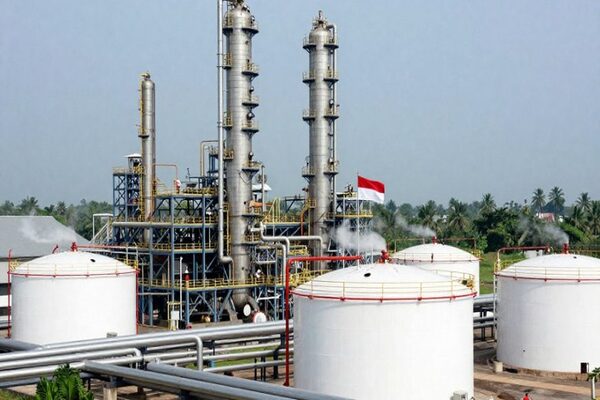
Against this backdrop, Indonesia stands out as an exception. Thanks to strong government regulation, fuel prices in the country have remained stable with no increases. This approach helps prevent sudden cost fluctuations, creating a more predictable environment for businesses. In particular, for Bali, this translates into a more stable market and clearer, more reliable returns, which is especially valuable for investors and entrepreneurs during times of global uncertainty.